
When the hammer fell on Dottie West’s baby grand piano, the crowd saw an auction. Kenny Rogers saw a friend’s dignity on the block.
After filing for bankruptcy in 1990, West lost her Nashville home, car and personal belongings to federal seizure. Her divorce from Alan Winters and an oil drilling investment had left her facing debts above two million dollars. A public foreclosure sale opened her estate to cameras, spectators and bargain hunters.
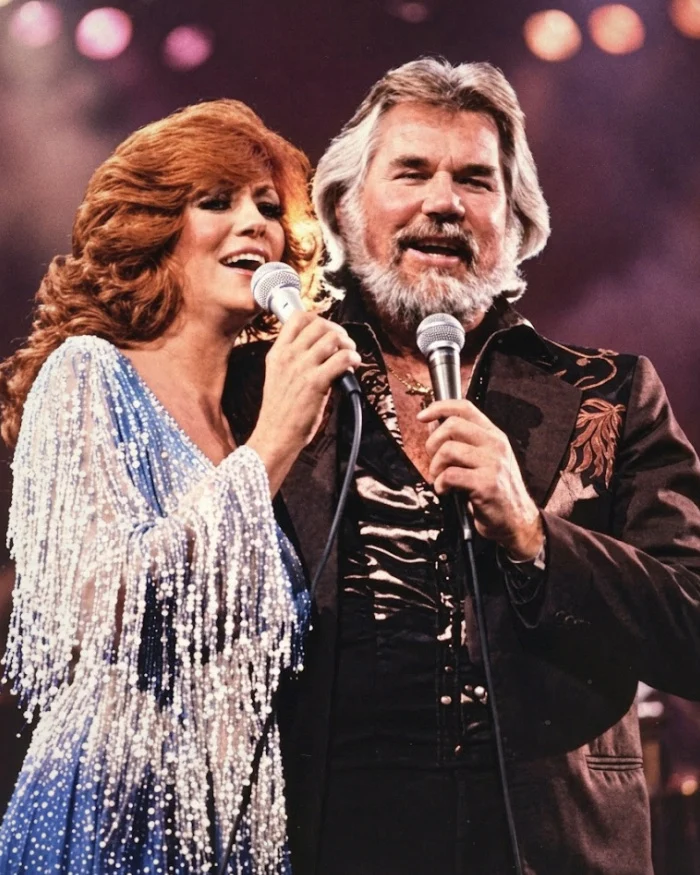
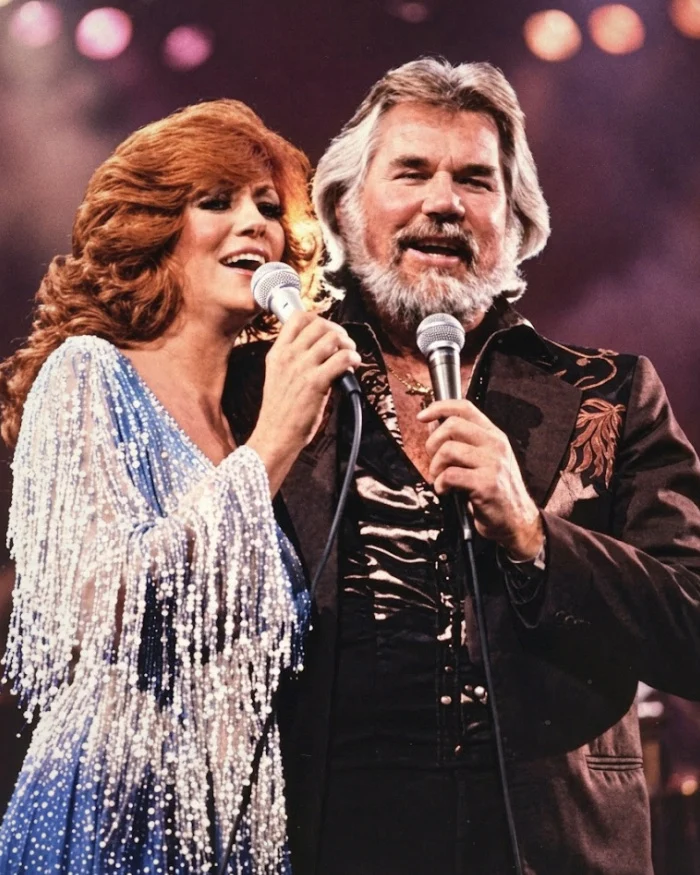
West had spent three decades breaking barriers in country music. She became the first female artist to win a country Grammy for Here Comes My Baby in 1964. She had also built a legendary duet partnership with Kenny Rogers after they met while recording at United Western Recorders in Los Angeles in the late 1970s. Their collaboration on Every Time Two Fools Collide produced a number one hit and revived both careers. They followed with All I Ever Need Is You and won Country Music Association Vocal Duo of the Year in 1978 and 1979.
Rogers knew the woman behind the headlines. He had watched her stamina on stage and her generosity toward younger musicians. When her collapse became public, he refused to make it a spectacle. He did not issue statements or stage a benefit. He moved quietly to protect her ability to work and travel.
At the sale, bidders fought over stage gowns, gold records, tour buses and kitchenware. Then West’s piano was wheeled onto the lawn. It was the instrument where she rehearsed, wrote and found comfort after difficult nights.
A representative sent by Rogers stood among the crowd. The proxy answered every rival offer until the winning bid was secured. Rogers did not take the piano for himself. He had it delivered to West’s condominium at Wessex Towers and returned it to her living space before the auction paperwork was finished.
He also arranged a car and helped cover immediate living costs so she could keep performing. For West, singing was not merely a job. It was her lifeblood. With the piano and the car restored to her, the court could seize assets, but it could not seize her voice or her work.
“The estate was gone, but her music still belonged to her.”
The gesture became an anchor during her darkest stretch. She poured herself back into live appearances and returned to the Grand Ole Opry whenever she could. She spoke often about true friends in classic country music without naming Rogers, because he had wanted privacy.
The partnership ended in tragedy. In August 1991, West suffered catastrophic injuries in a car crash while traveling to an Opry performance. As surgeons fought for her life at Vanderbilt University Medical Center, Rogers was among the first peers to arrive and remain with her children until she died days later.
At her memorial service at Christ Church in Nashville, Rogers did not speak about debts or auctions. He spoke about the laughing woman who had walked into his recording booth ready to harmonize. Their story remains defined not by what West lost, but by the quiet loyalty that helped ensure her music never went silent.