
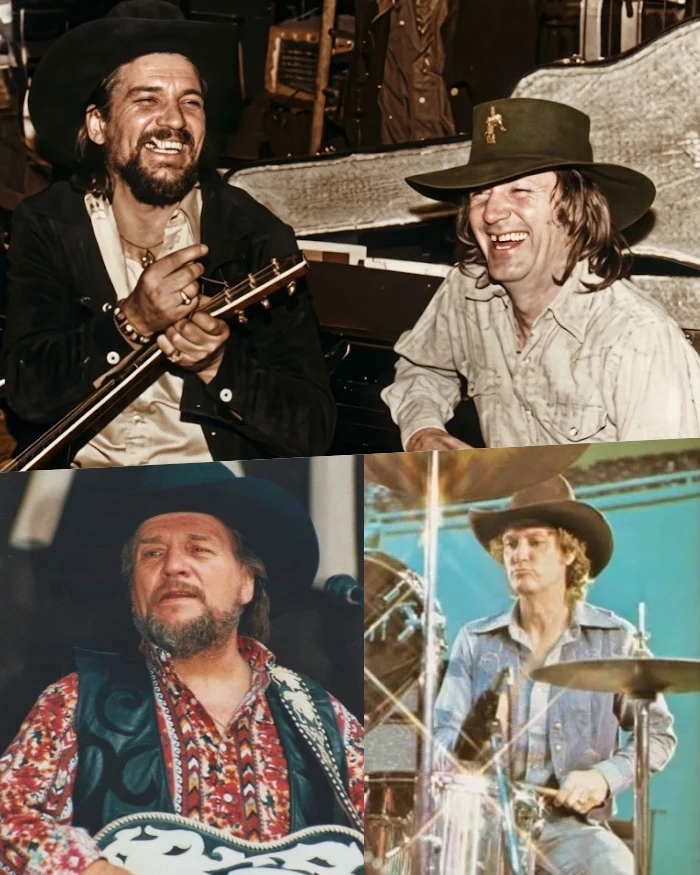
The moment Waylon Jennings turned away from the Grand Ole Opry, he risked everything for the man behind the drums.
For country artists, the Opry stood as a glowing door to fame. Its stage promised applause, respect, and a place inside Nashville’s storied circle. Yet the institution guarded an old rule with fierce pride.
Full drum kits were banned from the Opry stage. Musicians had to accept a tiny snare and a muted pulse if they wanted to perform there.
Waylon heard that command and refused to bend his rock heavy rhythm. His band, The Waylors, drove the music with a pulse that belonged to Richie Albright.
When told his drummer could not stand in the spotlight, Waylon did not beg. He did not shrink his band. He packed his gear and left the Opry for nearly ten years.
Leaving his drummer behind was never part of the music.
That quiet exit shocked the country world. The Opry was the launch pad for success, and walking away looked like career ruin.
Waylon chose honky tonks, road buses, and loyal crowds instead of a prestigious room that demanded silence from his heartbeat.
His stand became a spark for Outlaw Country. It showed that a singer could protect his band and still earn the trust of his fans.
The years of absence cost him acceptance, but they also preserved the raw honesty that made people believe him.
Then the tide turned. As Outlaw Country roared up the charts, Nashville had to face the rhythm it once tried to silence.
On August 12 1978, the Opry invited Waylon back. This time the stage opened for his full band and his unapologetic sound.
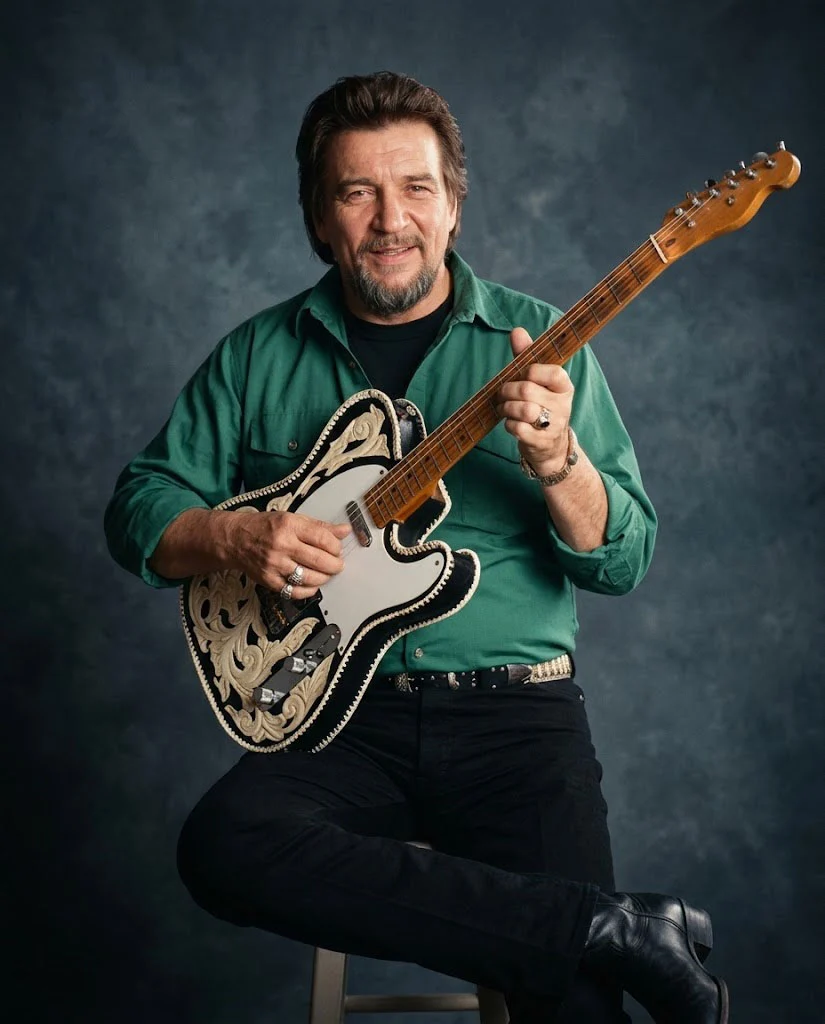
The sold out Opry House filled with anticipation as Waylon walked out with his leather bound Telecaster. He brought his seven piece road band, and Richie Albright sat behind a full drum kit in the center of country music’s most traditional stage.
The band thundered through signature songs, including “Are You Sure Hank Done It This Way”. The question felt perfect for a night that broke the old Nashville mold.
Waylon had not changed his music to fit the Opry. He had waited, played his way, and forced the room to make space for the men who rode beside him.