
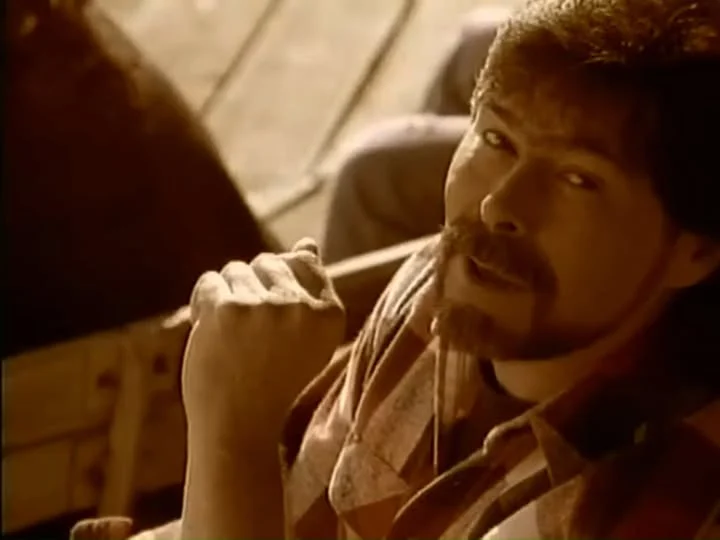
The summer sun sinks low over a dusty baseball diamond, spilling amber light across a field where dreams are measured in innings rather than dollars. A few dozen neighbors cluster in the aluminum bleachers, their laughter rolling on the warm breeze. This is the heartbeat of small-town America, and it beats loudest in the cheap seats. For more than three decades, Alabama has given voice to that very heartbeat, turning a simple afternoon at a local ballgame into a timeless anthem about what truly matters. The song “The Cheap Seats” is not merely a country hit from 1993 — it is a living portrait of joy found in the most unassuming corners of life.
Few bands have understood everyday people quite like Alabama, and Randy Owen delivers this story with the warmth of an old friend. Released as part of the album Cheap Seats, the track arrived at a moment when country music was leaning toward glossy production and pop sheen. Yet Alabama chose a different path, one that celebrated the grace of ordinary moments. The song’s narrator is not a hero or a star. He is simply someone who shows up, cheers for the home team, and finds contentment in a cold drink and a warm afternoon. That perspective is why the song feels less like a performance and more like a memory.
At the center of the song lies a celebration of small-town togetherness. In these communities, everyone knows your name, and a Tuesday evening game becomes a shared ritual. The fans keep cheering even when the players fumble, because the scoreboard is not the point. Being present, being together — that is the victory. One of the song’s most beloved lines sums up this spirit perfectly:
“We like our beer flat as can be.”
That line captures the beauty of personal quirks and unpolished traditions. It is not about quality or luxury. It is about comfort and authenticity, the kind of ease that only comes when you are exactly where you belong. The song reminds us that happiness does not require a premium experience. Sometimes it just requires a seat in the sun, a friend beside you, and the freedom to enjoy things as they are.
This humble vision of the American Dream stands apart from the usual stories of ambition and acquisition. The characters in “The Cheap Seats” are not wealthy by any measure, yet they live rich lives because they measure wealth in relationships and shared experiences. They have found stability in their routines, belonging in their neighbors, and peace in a simpler rhythm. In a culture obsessed with bigger and better, the song offers a quiet rebellion — a reminder that true abundance is found in contentment, not accumulation.
The appeal of community sports runs deep in American life, and the song taps into that energy beautifully. Local ballparks offer families an affordable way to spend time together, far from the soaring prices of professional stadiums. A hot dog, a high-five, the seventh-inning stretch — these small pleasures create lasting memories. The song honors those moments, showing that fun does not need a platinum ticket or a luxury suite. It only needs a place where people can gather, cheer, and feel connected.
Within the landscape of country music, “The Cheap Seats” occupies a special place. It arrived during the early nineties when the genre was evolving, but Alabama held firm to their roots. Their storytelling remained honest, their humor gentle, and their characters undeniably real. The song’s success proved that audiences craved authenticity amid the changing soundscape. It also helped pave the way for future artists who wanted to sing about the dignity of working-class life, the value of local traditions, and the beauty of not taking yourself too seriously.
Today, the song feels more relevant than ever. With rising costs and the constant hum of digital life, many people are searching for ways to slow down and simplify. The cheap seats represent something more than a bargain. They symbolize a mindset — one that prioritizes joy over status, connection over consumption, and presence over perfection. As conversations about budgeting and mindful living grow louder, this old country tune offers a gentle soundtrack to a more intentional way of being. It whispers that you do not need to spend a fortune to feel alive.
The song also speaks to a deeply human need for belonging. Whether you grew up in a town of five hundred or a city of five million, the longing for community is universal. “The Cheap Seats” reminds us that we all want a place where we are known, where our cheers and laughter mix with the people around us, and where the simple act of showing up is enough. It is a message that cuts across generations, drawing sighs of recognition from grandparents who remember the old ballparks and from teenagers just discovering the joy of a summer night at the field.
More than thirty years after its release, the song remains a beloved classic, a testament to Alabama’s gift for turning the ordinary into the eternal. It has not aged because the feelings it captures have not changed. We still need the release of a lazy afternoon. We still need the comfort of familiar faces. We still need to believe that joy is within reach, even when life feels heavy. “The Cheap Seats” gives us all of that, wrapped in a melody that feels like a warm embrace.
So the next time you find yourself at a local game, or simply sitting with people you love on a warm evening, remember the lesson of the cheap seats. The best moments do not come with price tags. They come with laughter, with togetherness, and with the quiet knowledge that you are exactly where you are meant to be. Alabama understood that truth, and they turned it into a song that will echo through small-town streets and big-city parks for generations to come. In a world that often tells us to want more, this song gently reminds us that we already have everything we need — especially when we are sitting in the cheap seats.