
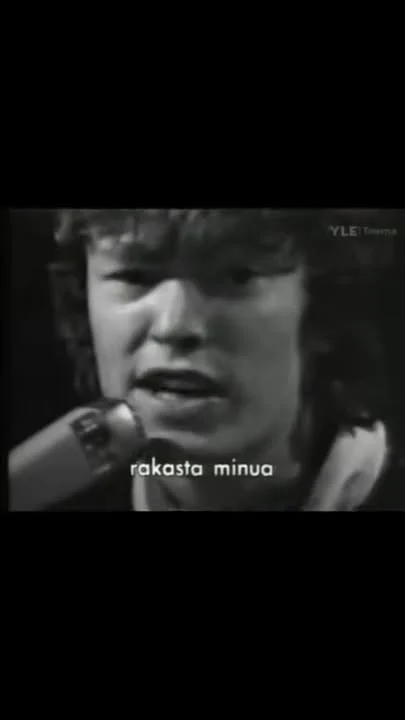
The first blistering seconds of Gimme Some Lovin’ are a masterclass in musical authority. Drums surge forward with a pulsing eighth-note engine, and a Hammond organ riff ignites the room like a flash of lightning. This is the sound of a band firing on all cylinders—Birmingham’s The Spencer Davis Group at the peak of their powers, fusing rhythm & blues, gospel fervor, and British beat into an electrifying whole. Released as a single in late 1966, the track stormed to No. 2 in the UK and hit No. 7 in the U.S. early the next year, cementing its status as one of the decade’s most exhilarating sides.
But behind that explosive opening lies a story of transatlantic remixes, teenage genius, and a band operating at a creative crossroads. Gimme Some Lovin’ wasn’t just a hit—it was a sonic blueprint that would echo through rock and soul for decades.
A Transatlantic Album Mystery
For collectors, the album provenance of Gimme Some Lovin’ is a puzzle with two very different solutions. In the UK, the single dropped as a standalone between the studio LPs Autumn ’66 and With Their New Face On. But across the Atlantic, United Artists gathered the band’s recent material for a U.S.-only album, also called Gimme Some Lovin’, released in March 1967. That compilation became the definitive American snapshot of a quartet at full throttle—part greatest-hits collection, part mission statement. The discrepancy is a classic example of how labels on both sides of the Atlantic repackaged singles for different audiences, leaving modern listeners to navigate two distinct discographies.
Studio Secrets and the Jimmy Miller Remix
Recorded at Philips Studios in London during sessions in June and September 1966, the song came together with an urgency that matched its music. The writing credits belong to Steve Winwood, Spencer Davis, and Muff Winwood, with production by Island founder Chris Blackwell. But for the American market, a young producer named Jimmy Miller—soon to become a legend—crafted a new mix. He added extra percussion, call-and-response backing vocals, and a subtly brighter, “live” sheen that many listeners still consider the definitive version.
That transatlantic tweak is a fascinating footnote in recording history. The U.S. single is often described as slightly sped up, with a more urgent feel. Lining up the UK and U.S. singles side by side in any music production software reveals immediate differences in transient shape, vocal ambiance, and EQ contour on the organ. It’s a lesson in how a single remix can reshape a song’s identity.
The Sonic Blueprint: Instruments That Define a Genre
At the heart of Gimme Some Lovin’ is Steve Winwood’s Hammond organ riff—one of rock’s most recognizable keyboard hooks. With drawbars set for a gritty edge and a percussive attack, the part functions like both rhythm guitar and horn section at once. Contemporary sources routinely describe it as a “screaming” Hammond figure that locks the groove from the first bar.
Around that cornerstone, each player adds something essential:
- Drums (Pete York): The groove drives at roughly 147–148 BPM, built on two-and-four backbeats and a relentless eighth-note pulse that leaves no dead air. York’s fills kick momentum up another notch without clutter.
- Bass (Muff Winwood): A punchy, straight-ahead line that mirrors the organ’s rhythmic insistence, sitting in the mix like a locomotive rather than a thud.
- Guitar (Spencer Davis): Rhythm work that accents the backbeat and answers the organ figure—lightly overdriven, percussive, and focused on punctuation.
- Vocals: Steve Winwood, not yet 19, sings with a raspy, gospel-tinged urgency that sounds astonishing for his age. Group harmonies and, on the U.S. single, extra response vocals give the choruses a call-and-response euphoria.
- Additional percussion (U.S. single): Tambourine and handclaps in the choruses create a “live in the room” illusion, even though it’s a carefully constructed studio performance.
Harmonic Craft: More Than a Simple Rave-Up
Most short write-ups sell Gimme Some Lovin’ as a simple rave-up, but the craft under the hood is worth lingering over. The song sits in G major, and it wastes no time establishing a tension-and-release cycle between the tonic and subdominant areas. That organ hook is cleverly voiced: Winwood pounds octaves and hammers in blues inflections—flattened sevenths and sixths—to imply a dominant-seventh flavor without spelling out the full chord. The effect is both R&B and pop at once.
The arrangement is smartly terraced. Verses ride a leaner texture; pre-chorus figures tighten the rhythmic screws; the chorus blooms with stacked voices, tambourine, and that hammering organ. A brief break resets attention before the final push. The discipline of that design—no solos overstaying their welcome, no extraneous bridges—explains why the track feels like perpetual motion without ever sounding frantic.
The whole track is built from a handful of interlocking ideas—the organ riff, the straight-ahead drum engine, the bass shadow, and the vocal call and chorus response. No part tries to steal attention for long; instead, they trade the spotlight in half-bar turns.
A Teenage Voice with Grown-Man Authority
It’s easy to take Steve Winwood’s performance for granted today, because we’ve heard decades of singers borrowing from this template. But in 1966, hearing a teenager summon this kind of grainy, impassioned timbre—equal parts Ray Charles, church-choir testifying, and UK club grit—was a shock. The lyric is conversational and direct: a plea for energy and connection after a long day. Winwood’s dynamic control is notable; he rides up on the ends of lines, pushes into the choruses, and then eases back just enough to let the organ reclaim attention between phrases.
The song draws liberally from gospel call-and-response practice, particularly in the chorus where the lead vocal and group responses tug at each other like a choir and congregation. That vocabulary would be instantly familiar to country-soul crossovers of the late 1960s, and it’s part of why the tune later traveled so easily into other bands’ sets, including horn-heavy versions. You can even hear a faint echo of classical antiphony in the way the organ “answers” the voice—a simple, almost fanfare-like motif that repeats with small variations, a technique as old as baroque ritornello writing.
Why It Endures: Charts, Lists, and Cultural Afterlife
The single became a transatlantic staple: No. 2 in the UK, Top 10 in the U.S., and a consistent presence in oldies rotations and film soundtracks. Rolling Stone includes it among the “500 Greatest Songs,” an index of how indelibly that two-minute-fifty-six-second blast stamped itself on popular memory. The band’s own live takes with Traffic and the later, brass-driven hit cover by The Blues Brothers broadened its reach, proving the core idea could thrive in multiple arrangements.
From a historical standpoint, the track also marks the crest of The Spencer Davis Group’s chart run: after two UK No. 1s (“Keep On Running” and “Somebody Help Me”), this was the transatlantic breakthrough that set up “I’m a Man” and—soon after—Steve Winwood’s formation of Traffic. You can hear the road ahead in that voice: part church, part club, all conviction.
Audiophile Notes and Collector Insights
Two practical points if you’re hunting down copies or comparing streams:
- UK vs. U.S. single: The U.S. mix remixed by Jimmy Miller folds in more percussion and backing vocals and presents a slightly more hyped “live” sheen. If you’re used to the American radio single, the UK version might sound leaner but punchier in the rhythm section.
- Album sourcing: U.S. buyers in 1967 could get the track on the Gimme Some Lovin’ LP; the UK market originally had it as a 45, later incorporated on various compilations and reissues. That’s the provenance difference you’ll see reflected across streaming metadata and catalog numbers.
If you’re clearing the track for film, TV, or advertising, remember that music licensing can involve master and publishing rights for distinct mixes. Knowing whether you need the UK or U.S. single version will save time in negotiations. And for musicians analyzing the waveforms, it’s instructive to line up the two singles side by side—the comparative transient shape of the tambourine, the slight differences in vocal ambience, and the EQ contour on the organ all pop out immediately.
Performance Credits in Brief
Here’s the core lineup heard on the original: Steve Winwood (lead vocal, organ; also credited with piano and percussion), Spencer Davis (rhythm guitar, vocals), Muff Winwood (bass, vocals), and Pete York (drums)—a compact unit that plays bigger than a quartet.
Final Verdict
Gimme Some Lovin’ is one of those rare recordings that wears its craft lightly. It lasts just under three minutes, but it contains a whole performance philosophy: build a locomotive groove, stamp a single unforgettable timbre on it (here, the Hammond), and let a great singer testify. The band’s chemistry is audible—how the drums anticipate the organ’s accent, how the bass locks to the snare, how the guitar splashes chords that feel like exclamation points rather than paragraphs.
It’s British R&B at its most concentrated, and yet it travels effortlessly into American idioms: the gospel sway of the responses, the Stax-style tambourine on the U.S. single, even the later brass treatments by other artists. That mobility is a hallmark of songs built on deep fundamentals. No wonder it keeps returning in films, commercials, and cover sets. The record still sounds like ignition.
If You Like This, Queue Up…
- The Spencer Davis Group – “I’m a Man”: a sister single that doubles down on rhythmic insistence and percussive vocal phrasing.
- The Spencer Davis Group – “Keep On Running”: their first UK No. 1; leans harder into the Caribbean-via-London R&B pipeline.
- Booker T. & the M.G.’s – “Green Onions”: organ-driven classic with a cooler, slinkier pocket.
- Sam & Dave – “Hold On, I’m Comin’”: Stax/Atlantic gospel-soul fire, perfect after “Gimme Some Lovin’.”
- The Rascals – “Good Lovin’”: another mid-60s, organ-forward hit with a call-and-response chorus.
- Traffic – “Dear Mr. Fantasy” (for the Winwood link): a few months down the road in his career, but the same voice channeled into a more expansive rock canvas.
Key facts at a glance: recorded at Philips Studios, London (June/Sept 1966); written by Steve Winwood, Spencer Davis, Muff Winwood; produced by Chris Blackwell (UK) and remixed/produced for the U.S. single by Jimmy Miller; peaked at No. 2 UK and No. 7 U.S.; featured on the U.S. album Gimme Some Lovin’ (1967).