
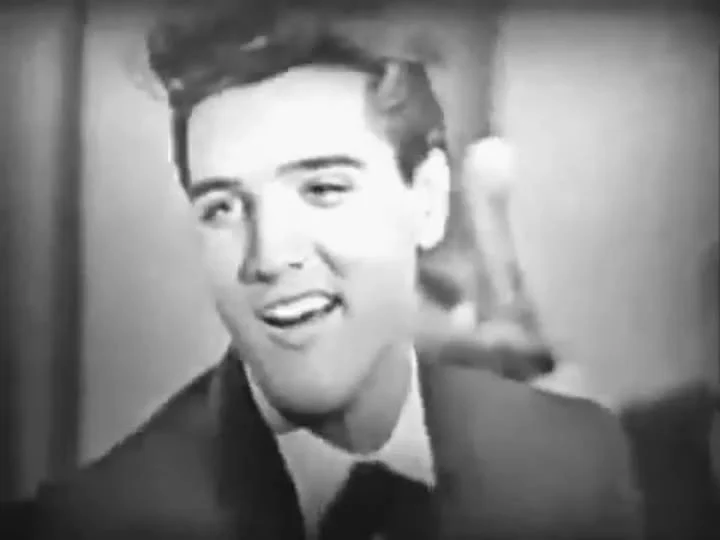
When Elvis Presley stepped into RCA Studio B on March 20, 1960, he wasn’t merely recording a song. He was reclaiming a throne that had remained stubbornly vacant for twenty-one months. The pop world had held its collective breath during his Army service, and now the first post-service single had to be a triumphant declaration. RCA Victor demonstrated its absolute faith by printing a million record sleeves before the session even began. The song chosen for this immense task was “Stuck On You,” a mid-tempo shuffle that would redefine not just a career but an era. It was released as an urgent standalone A-side paired with the ballad “Fame and Fortune,” a rush release meant to reassure the faithful.
Producers Steve Sholes and Chet Atkins, alongside engineer Bill Porter, captured the session in evolving three-track stereo, moving away from the raw mono grit of the fifties. The core band was a mix of familiar faces and Nashville’s A-Team. Scotty Moore handled guitar, D.J. Fontana played drums, and the rhythm section was anchored by Bob Moore on upright bass and Hank Garland on electric bass, giving the track its signature ‘tic-tac’ pulse. Floyd Cramer added bright piano flourishes with his unmistakable slip-note style, filling spaces between Elvis’s vocal lines with a lighthearted skip. The arrangement felt full yet clean, with each instrument occupying its own sonic space. Bill Porter’s mic technique gave Elvis’s voice a lush presence that sat perfectly within the blend.
Elvis himself sounded utterly refreshed. Gone was the frantic energy of his Sun Records days. In its place was a relaxed, assured baritone that glided through the lyrics. He embraced the playful metaphors with subtle grunts and shouts, connecting back to his rebellious image while demonstrating clear vocal maturity. The way he handled sustained notes hinted at growth during his time away. He effortlessly sold lines like “I’m gonna be a tattoo, honey, right across your back,” turning devotion into a swaggering promise.
“The track’s simple, irresistible shuffle wasn’t just a hit song; it was a triumphant declaration of permanence.”
The song’s genius lies in its dual nature. Structurally it follows a twelve-bar blues form streamlined for pop radio, but the performance carries the weight of a monumental cultural event. It was designed to whisper “The King is still the King” without needing to scream it. The single rocketed straight to the top of the charts, confirming that the two-year absence had only deepened public devotion. The bond was unbreakable. The public was, indeed, stuck on Elvis.
The track endures not just as a historical marker but because of its pure, uncomplicated joy. I recall driving through the Nevada desert one summer, heat shimmering off the asphalt, when this song popped up on the car stereo. It cut through the lethargy like a shot of distilled pop sunshine, feeling both utterly vintage and perfectly modern. That moment captures why the song works. When great songwriting, peerless musicianship, and a definitive vocal performance align, the result transcends era.
The March 1960 session output included tracks that would form the acclaimed “Elvis Is Back!” album, blending rock and roll roots with sophisticated pop arrangements. “Stuck On You” was merely the first glorious volley. The session musicians deserve immense credit for establishing the sound of Elvis’s sixties. Hank Garland’s guitar counter-melodies and Bob Moore’s walking bass line turned the rhythm section into a groove machine. The clarity allows dedicated listeners to appreciate the nuanced instrumental interplay. This was not just backing music but a tight ensemble working in perfect symbiosis.
For further listening, explore Elvis’s own “A Mess of Blues,” a rawer bluesier cut from the same Nashville session that highlights his vocal grit. “Tear Fell” from the Elvis Is Back! album showcases the band’s versatility on a darker mid-tempo groove. Roy Orbison’s “Only the Lonely” shares the confident vocal approach and smooth early-sixties pop production also recorded in Nashville. The Ventures’ “Walk Don’t Run” captures the classic 1960 guitar tone echoing Scotty Moore’s bright crisp presence. The Everly Brothers’ “Cathy’s Clown” features a similarly bouncy propulsive rhythm that dominated the charts at the time. Each of these tracks sits beside “Stuck On You” as a testament to a golden era of pop craftsmanship.