
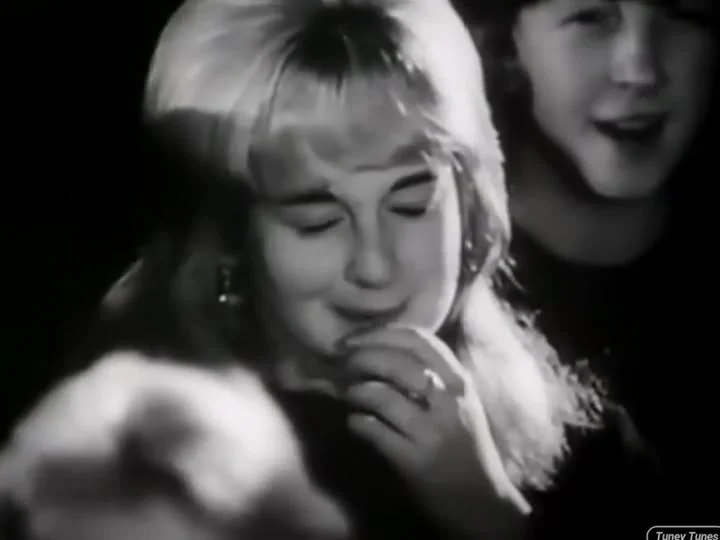
“It’s not just a song, it’s something that gives people strength.”
This simple yet profound reflection from Gerry Marsden captures the essence of a melody that has outlived its creators, crossed continents, and become a beacon of hope for millions. Few songs in modern history have woven themselves so deeply into the fabric of a community as “You’ll Never Walk Alone.” Its journey from a Broadway stage to the terraces of Anfield, and into the hearts of people worldwide, is a story of resilience, tragedy, and unbreakable unity.
The tune began its life far from football stadiums or pop charts, in the 1945 Rodgers and Hammerstein musical Carousel. There, it was sung as a lullaby of comfort, a whispered promise that even in darkness, dawn would arrive. But it was in 1963, when the Merseybeat band Gerry & The Pacemakers recorded their version, that the song found its true calling. Their rendition, driven by Marsden’s raw, emotive vocals and a sweeping orchestral arrangement, topped the UK charts that October. It was a moment that transformed a show tune into a global anthem.
The connection to Liverpool, England, was immediate and profound. A working-class city built on the docks and resilient through hardship, Liverpool saw its own story reflected in the song’s lyrics. “Walk on through the wind, walk on through the rain, though your dreams be tossed and blown.” These words became a personal mantra for many. The bond deepened when supporters of Liverpool FC adopted it as their pre-match ritual in the late 1960s. Singing it at Anfield Stadium before every game created an electric atmosphere, a collective promise of solidarity that has become one of football’s most iconic traditions.
The song’s emotional weight grew heavier during tragedy. In the aftermath of the 1989 Hillsborough disaster, where 97 fans lost their lives, “You’ll Never Walk Alone” became a tribute, a cry of grief, and a symbol of unyielding hope. It was sung at memorials, in streets, and by families searching for comfort. Marsden himself performed it tirelessly to raise funds for the victims’ families, embodying the very message of community he had helped popularize. His legacy, cemented by this song, transcends music; it is a testament to the power of art in the face of suffering.
The reach of the song extends far beyond Liverpool. Borussia Dortmund in Germany, Celtic in Scotland, Feyenoord in the Netherlands, and countless other clubs around the world have adopted it as their own. During the darkest days of the COVID-19 pandemic, it was played in hospitals and shared across social media as a global hymn of solidarity. Each time, its message remains unchanged: you are not alone. Gerry Marsden, who passed away in 2021, understood this instinctively. His decision to cover the song was not just a career move; it was an act of emotional intelligence that gifted the world a timeless comfort.
Today, “You’ll Never Walk Alone” echoes through stadiums, theatres, and quiet moments of reflection. It is a song that refuses to be confined by time or place. For Liverpool, it is a badge of identity; for football fans worldwide, a bond of shared passion; for anyone facing adversity, a reminder that hope endures. And as long as voices rise together in its melody, the legacy of Gerry & The Pacemakers, and of Liverpool itself, will never walk alone.