
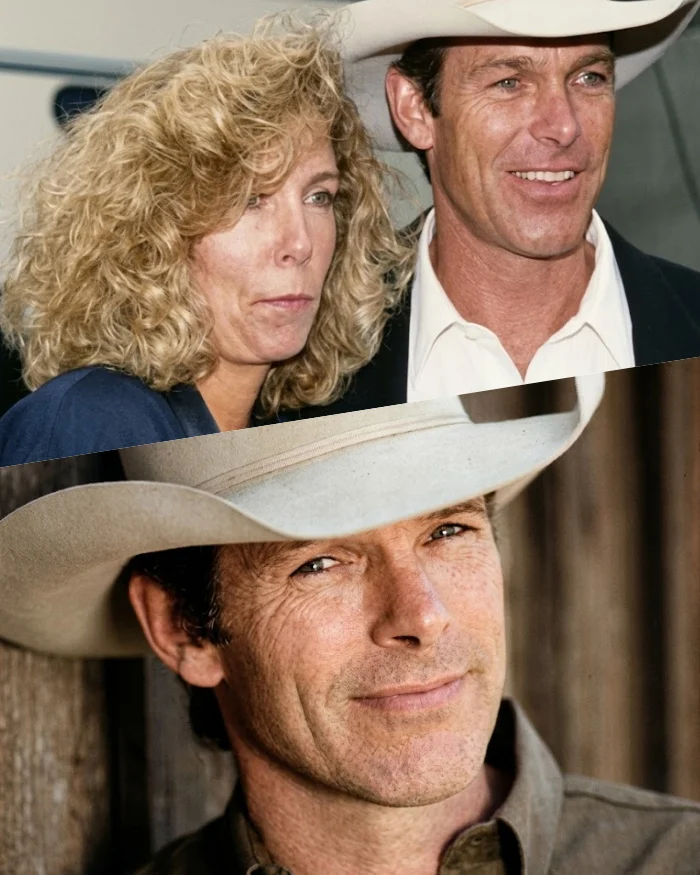
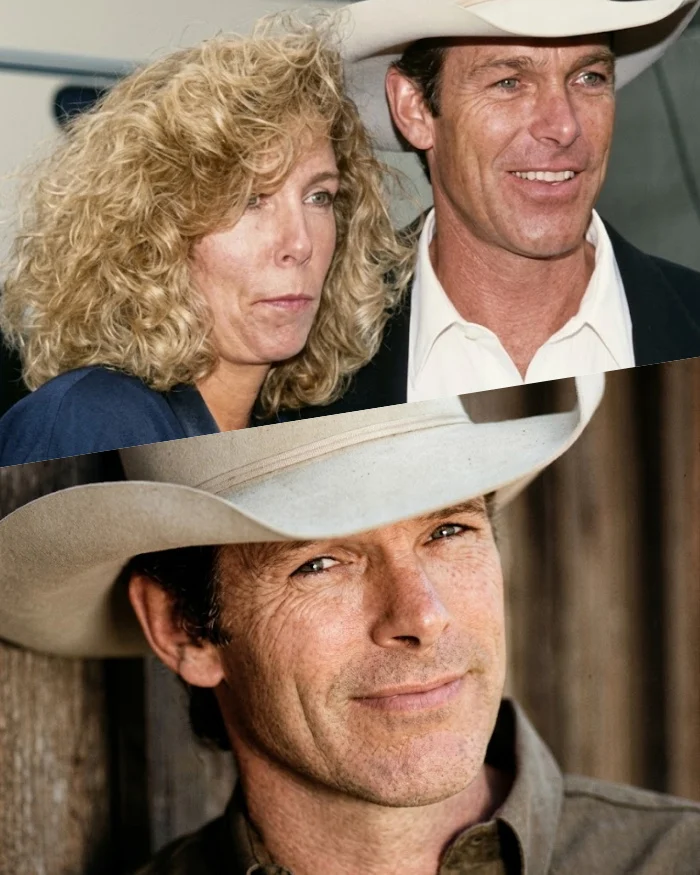
Chris LeDoux was not brought down by a bucking horse or a roaring arena. He was stopped in a quiet Casper hospital room on March 9, 2005, after a 56-year life spent chasing rodeo dust and country music fame.
Cholangiocarcinoma, a rare and aggressive bile duct cancer, had narrowed his world to a single bed. Peggy, his wife of thirty-three years, and their five children formed a day-and-night circle around him. For a man who had survived brutal rides and grueling tours, the hardest fight was stillness.
When he died, the grip he kept on Peggy’s hand became the most lasting image of his story. It was not a stage moment. It was not a rodeo victory. It was a private promise kept until the end.
His greatest triumph was not a gold buckle or a platinum record. It was an unbroken thirty-three-year vow.
LeDoux built that vow long before Capitol Records signed him. He recorded homemade tapes about the punishing reality of the rodeo circuit. He sold them from the back of a pickup truck at county fairgrounds. Peggy ran the mail-order business from their Wyoming kitchen while raising their children and holding the family together during his chase for the 1976 world bareback riding championship.
By the 1990s, Nashville could no longer ignore him. Garth Brooks had name-checked him in his 1989 debut single, and that mention helped push the Wyoming cowboy into mainstream country stardom. Stadiums filled. Records sold by the millions. Fireworks lit the sky. Yet LeDoux kept returning to the same ranch, the same wife, and the same family rhythm that had carried him from the beginning.
That rhythm was tested in 2000, when he faced severe liver disease and needed a transplant. Peggy stayed through the surgery and the exhausting recovery. He fought back to touring, then faced the cancer diagnosis that emerged in late 2004.
The country and rodeo worlds responded with a mourning that felt deeper than usual. Months after his death, the Academy of Country Music posthumously honored him with the Cliffie Stone Pioneer Award. Later that year, Garth Brooks came out of retirement to record the tribute song Good Ride Cowboy. The hit became a public eulogy for an artist who had reshaped country music without surrendering his Western roots.
His influence remains visible across the West. In 2007, Cheyenne dedicated a monumental bronze statue of LeDoux riding a bucking horse at the Frontier Days grounds. His son Ned LeDoux later carried the catalog onto stages, keeping the songs alive in front of new crowds.
Chris LeDoux connected the dirt arenas of rodeo to the platinum heights of Music Row. Still, the story that outshines the statues and sales is the one that ended in a quiet hospital room. The cowboy who conquered public fame found his deepest victory in holding Peggy’s hand and keeping his vow to the last breath.