
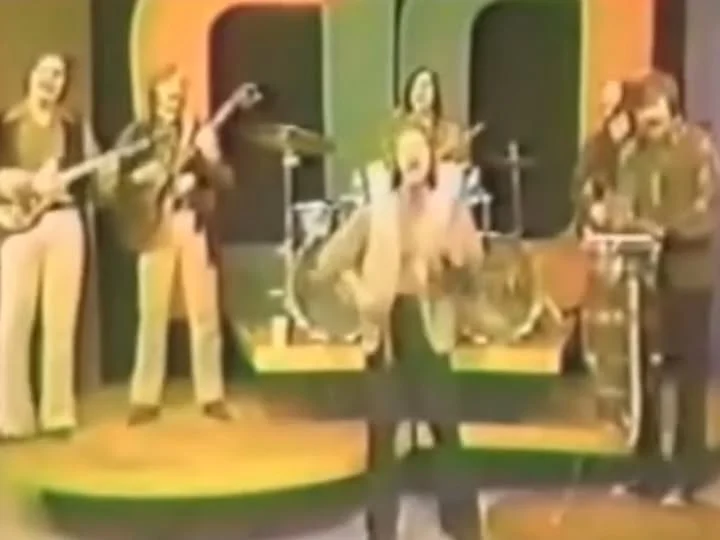
Imagine a song that began as throwaway filler, hustled into existence in a smoke filled studio, yet today echoes across stadiums worldwide as a triumphant farewell. That is the story of Na Na Hey Hey Kiss Him Goodbye, a track so ubiquitous its own creators could not escape its simple gravity.
In late 1969, producer Paul Leka, singer Gary DeCarlo, and writer Dale Frashuer were under pressure. They had four tracks for Mercury Records but needed a B side immediately. The late night air in a New York studio was thick with ambition and fatigue. Outside, manhole covers hissed in the cold November wind. Inside, they scrambled to finish a song that the label insisted must be ready now.
They reached into their past, an old blues shuffle fragment from their doo wop days called Kiss Him Goodbye. Leka assembled the track from tape splices, including a drum track borrowed from another session and a conga solo that seemed to come from a tropical island. No live drummer played on the final take. The groove was deceptively simple, riding a relaxed insistent tempo. This foundational rhythm section gave the track a garage band feel that made it stand out from polished bubblegum offerings.
Gary DeCarlo delivered the vocal under the alias Garrett Scott, his voice blending pleading vulnerability with defiant swagger. The lyrics were sparse and direct, a spurned lover’s consolation. He’ll never love you the way that I love you, he sang. Cause if he did, no no, he wouldn’t make you cry.
The iconic chorus was born from sheer necessity. Leka needed to extend the song to a commercially viable length. He sat at the piano and sang placeholder syllables. Na na na na, na na na na, hey hey, goodbye. DeCarlo instantly joined in with the hey heys. The dummy lyrics became the entire point.
Mercury Records immediately recognized the hook’s potency. They flipped the single, placing the disposable track on the A side and naming the group Steam, inspired by the steam rising from street vents outside the studio. The single exploded, climbing the charts and displacing The Beatles’ Come Together at number one on the Billboard Hot 100 in late 1969. It held the top spot for two weeks.
The album, also titled Steam on Fontana Records, failed to recapture the magic. Steam became a classic one hit wonder, a phantom band built around a single undeniable studio creation. The touring band had nothing to do with the record’s genesis. The irony is cinematic: three professional musicians tried to bury a song, and instead it gave them immortality.
It is a piece of music whose sheer unadulterated simplicity is its own powerful form of genius.
The song’s second life began years later when Chicago White Sox organist Nancy Faust played the chorus as an anthem of dismissal for defeated teams. Crowds caught on, and the simple melody became a chant. This translation from pop single to stadium ritual is the ultimate testament to the chorus’s primal communal appeal. It is a moment of shared non verbal catharsis, a cheeky wave goodbye to a departing opponent.
For listeners seeking a richer appreciation, quality premium audio equipment reveals the subtle layers: the echo on DeCarlo’s vocal, the almost breakdown of the spliced drum track, the thin but persistent organ swell. Hearing the song through that lens transforms it from a radio staple into a meticulously, if quickly, constructed pop oddity.
Today when we listen we hear not just a tune but a cultural echo. We hear the ghost of a late night studio session, the sound of a cynical move backfiring beautifully, and the sheer raw power of a chorus so simple it can only be called universal. Its enduring presence means that millions of people worldwide know exactly what to shout when it is time to say goodbye.
For further listening, consider these tracks that share the same accidental brilliance. Green Tambourine by the Lemon Pipers features producer Paul Leka and captures the same bubblegum psych spirit. Spirit in the Sky by Norman Greenbaum offers another massive late sixties hit with an instantly recognizable guitar riff and gritty vocal tone. Sugar Sugar by the Archies is definitive bubblegum pop, demonstrating how simple melody and studio polish could rule the charts. In the Summertime by Mungo Jerry has a loose feel and a sing along chorus perfect for crowd participation. My Baby Loves Lovin by White Plains is a quintessential early seventies British pop rock track with upbeat vocal delivery and a bright commercial arrangement.