
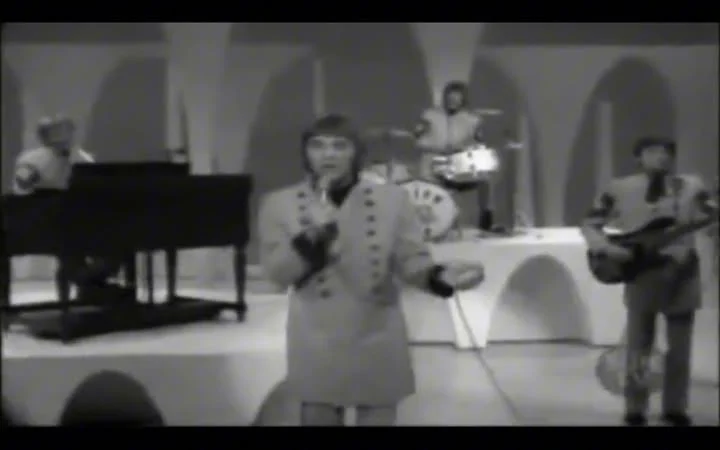
The Voice That Could Not Look Away
Before the chorus arrives, there is a trembling pause. The strings swell, the baritone voice cracks with urgency, and then comes the confession.
“Young girl, get out of my mind. My love for you is way out of line.”
That moment, captured in Gary Puckett and the Union Gap‘s 1968 recording of Young Girl, carries the weight of a full-blown moral drama. More than half a century later, it remains one of pop music’s most riveting emotional reveals.
Written by Jerry Fuller, the song served as the title track for the band’s second studio album. Released during a defining stretch of late-1960s pop, the record did not simply collect radio singles. It built a mood. Lady Willpower and Say You Don’t Need Me shared the same theatrical glow, and together they showed a group unafraid to let love songs breathe like film scenes.
That single took the group to No. 2 on the Billboard Hot 100 and became a chart-topping hit in the United Kingdom. In the United States, it was everywhere. Even then, it felt less like a typical pop song and more like a confession overheard through a doorway.
The arrangement remains one of the most dramatic in the orchestral pop canon. It opens with a flourish of strings that feels like the start of a movie. Violins, violas, and cellos weave through guitars, bass, drums, and keyboards, while a brass section waits in the wings for the right moment to strike. The real genius is in the push and pull. The verses stay intimate, almost conversational. The chorus opens the floodgates, and the full orchestration lands with a force that makes the song’s emotional climax unavoidable.
And at the center of that storm is Gary Puckett‘s voice. His baritone carries both tenderness and desperation, sometimes in the same phrase. The Union Gap’s harmonies hover behind him like a supportive audience, but they never distract from the lead. That voice is the reason Young Girl has never faded into easy listening background music.
The story inside the song is just as powerful as the sound. A man realizes that the person he has fallen for is much younger than she seemed, and he has to decide whether to walk away before the night goes too far. The lyric is not a celebration of temptation. It is a study in restraint. The famous opening line, repeated like a warning, gives the whole track a rare moral weight.
Why Young Girl Still Matters
Timing helped make this song a classic. The late 1960s were a golden period for dramatic pop, a moment when The Righteous Brothers, The Supremes, and other acts were turning three-minute singles into miniature theater. Gary Puckett and the Union Gap found a lane of their own by pairing vivid storytelling with arrangements that never felt overstuffed.
That clarity is probably why the song has traveled so well. Its themes of hesitation, desire, and regret do not need a history lesson to make sense. New listeners arrive through oldies stations, streaming playlists, and cover versions, and the same thing happens every time. The room grows quiet.
Songs That Share Its Heart
If Young Girl hits the right nerve, there are more songs built from the same emotional material.
Lady Willpower by Gary Puckett and the Union Gap is the obvious starting point. It has the same lush orchestration and soulful vocal ache, with a story about the pull between seduction and respect.
Unchained Melody by The Righteous Brothers is a sweeping ballad of longing that never loses its grip. The vocal build is just as dramatic, and the atmosphere lingers long after the record stops.
Can’t Take My Eyes Off You by Frankie Valli mixes soft confession with an explosive chorus, creating a tension that feels very close to the magic of the Union Gap’s biggest hit.
Yesterday by The Beatles finds a quieter way to break a heart. Its vulnerability might be softer, but the feeling behind it is just as layered.
The Way We Were by Barbra Streisand wraps nostalgia and sorrow in a radiant orchestral arrangement, making it a deeply fitting companion piece.
More than fifty years have passed since Young Girl first unsettled and moved listeners. It still sounds like a song that means every word. The orchestration is grand, the vocal is raw, and the story stays complicated in all the right ways. In a musical landscape full of disposable moments, that kind of staying power is the rarest thing of all.